30-Day Fitness Challenge for Beginners
Starting a fitness journey can feel strangely intimidating. You may scroll through social media and see people lifting heavy weights, running marathons, or showing dramatic before-and-after photos, and suddenly a simple workout seems like a mountain you are expected to climb. The truth is much less complicated. A successful fitness journey does not begin with an extreme workout. It begins with showing up. This 30-day fitness challenge for beginners is designed for people who want to become more active without jumping straight into an exhausting routine that leaves them sore, frustrated, or ready to quit after three days.
Over the next 30 days, the goal is to build a foundation. You will focus on simple movements, walking, bodyweight exercises, mobility, recovery, and consistency. You do not need an expensive gym membership, complicated supplements, or a closet full of fitness equipment. In most cases, your own body, a comfortable pair of shoes, and a little floor space are enough to get started. Think of this challenge like learning to drive. You would not begin on a racing track at full speed. You would first learn how the vehicle responds, where the brakes are, and how to control your movement. Fitness works in much the same way.
This beginner workout challenge is also flexible. If an exercise feels too difficult, modify it. If you need an extra rest day, take one. If you already have a medical condition, injury, or concern about beginning an exercise program, speak with a qualified healthcare professional before starting. The aim is not perfection for 30 consecutive days. The real win is creating a routine that still feels possible on day 30 and beyond.
What Is a 30-Day Fitness Challenge?
A 30-day fitness challenge is a structured plan that encourages you to exercise consistently for one month. Unlike random workouts that leave you wondering what to do next, a challenge gives you a simple path to follow. Each day has a purpose, whether that means walking, strength training, stretching, resting, or improving mobility. For beginners, this structure can remove one of the biggest obstacles to exercise: decision fatigue. When you already know what today’s workout looks like, it becomes easier to begin.
The challenge should not be confused with a punishment or a crash program. You are not trying to transform your body overnight or force yourself through painful workouts. Instead, you are gradually teaching your body to tolerate more movement. During the first few days, even a short walk and a handful of bodyweight squats may feel like enough. A couple of weeks later, those same movements may feel easier. That gradual improvement is one of the reasons beginners often gain confidence quickly when they follow a consistent routine.
A good beginner challenge also includes recovery. Your muscles need time to adapt, and your joints benefit from sensible progression. Rest days are not wasted days. They are part of the program. The same applies to lighter activities such as walking or stretching. Not every workout needs to leave you dripping with sweat. Sometimes the most useful thing you can do is move gently, recover well, and come back ready for the next session.
Why 30 Days Is a Great Starting Point
Thirty days is long enough to create momentum but short enough to feel manageable. Saying, “I am going to exercise forever,” can sound overwhelming when you are just starting. Saying, “I am going to focus on today and repeat that for 30 days,” feels much more approachable. The challenge gives you a clear finish line, but ideally, it also helps you discover that exercise can become part of everyday life rather than a temporary project.
During a month of regular movement, you may notice changes beyond the scale. Your energy levels may improve. Walking upstairs might become easier. You may sleep better or feel more confident performing movements that seemed difficult during the first week. These small wins matter because motivation often grows after action, not before it. You do not always wake up feeling excited to exercise, but completing a workout can create the satisfaction that makes you want to continue.
The key is to keep your expectations realistic. Thirty days can help you establish a habit and improve your fitness, but dramatic promises should be treated with caution. Your results will depend on your starting point, sleep, nutrition, stress, consistency, and many other factors. Instead of obsessing over a specific number on the scale, pay attention to progress you can actually feel. Can you walk farther? Perform more repetitions? Recover faster? Those are meaningful signs that your body is adapting.
What Beginners Should Expect
If you have been inactive for a while, the first week may feel awkward. That is completely normal. Your muscles may experience mild soreness after new movements, especially squats, lunges, or push-up variations. This is different from sharp pain, severe discomfort, or pain that worsens during exercise. Learn to listen to your body. Fitness is not about ignoring every signal and pushing harder because a motivational quote told you to.
You should also expect some days to feel easier than others. Sleep, stress, hydration, work, and daily responsibilities can all affect your performance. A workout that feels easy on Monday may feel challenging on Thursday, and that does not mean you are failing. Progress is rarely a perfectly straight line. It is more like climbing a hill with a few flat sections and occasional steps backward before you continue upward.
Most importantly, expect to start small. There is no prize for making your first workout unnecessarily difficult. A beginner who exercises moderately and consistently for a month will usually make more progress than someone who trains intensely for three days and then quits. The best workout plan is not the hardest one on paper. It is the one you can realistically repeat.
How to Prepare Before Starting the Challenge
Preparation can make the difference between finishing a 30-day fitness challenge and abandoning it halfway through. You do not need to turn your home into a professional gym, but a little planning removes unnecessary obstacles. Choose a regular time for exercise if possible. Some people prefer mornings because fewer responsibilities interfere, while others feel stronger and more relaxed later in the day. There is no universally perfect workout time. The best time is usually the one you can maintain.
Make your environment work for you. Put your workout clothes somewhere visible, prepare a water bottle, and create enough space to move safely. If you plan to walk, choose a comfortable route or identify an indoor alternative for bad weather. These small decisions may seem unimportant, but habits are often shaped by convenience. When starting requires ten minutes of preparation, it is easy to procrastinate. When everything is ready, beginning becomes much simpler.
You should also track your progress in a basic notebook, calendar, or fitness app. Record what you completed and how you felt. Seeing a chain of completed workouts can be surprisingly motivating. At the same time, avoid turning tracking into another source of stress. Missing one day does not erase your progress. Simply adjust and continue.
Set Realistic Fitness Goals
Before day one, ask yourself a simple question: What do I want from these 30 days? Your answer might be to become more active, improve strength, lose some weight, increase stamina, or simply develop a healthier routine. Choose a goal that focuses on your own progress rather than comparing yourself with someone online. Fitness is personal, and two people can follow the same workout while experiencing completely different results.
Try to create goals based on actions as well as outcomes. For example, instead of saying, “I must lose 10 pounds,” you could say, “I will complete at least four planned movement sessions each week.” Action-based goals give you more control. You cannot always control exactly how quickly your body changes, but you can control whether you put on your shoes and go for a walk.
Keep the challenge realistic enough that it fits your actual life. A complicated two-hour daily workout is unnecessary for most beginners. Short, focused sessions can be extremely valuable when performed consistently. You are building a bridge, not trying to teleport across a river.
Basic Equipment and Workout Space
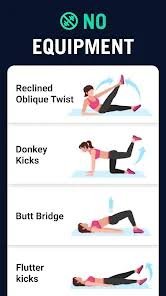
This beginner fitness challenge at home requires very little equipment. A supportive pair of shoes is useful for walking, and a mat can make floor exercises more comfortable. You may also use a sturdy chair for modified squats, step-ups, or incline push-ups. A light pair of dumbbells can add variety, but they are optional.
Safety matters more than equipment. Make sure you have enough room to move without hitting furniture or slipping on loose rugs. Wear clothing that allows you to bend and stretch comfortably. Keep water nearby, particularly in warm conditions or during longer workouts.
Remember that simple exercises can still be effective. Squats train your legs, push-up variations challenge the upper body, bridges target the hips and glutes, and walking improves cardiovascular activity. You do not need a machine with flashing lights to make progress. Your body has been designed to move, and this challenge is simply an invitation to start using that ability more often.
The Complete 30-Day Fitness Challenge Plan
The following 30-day workout plan for beginners uses gradual progression. Aim for a pace that allows you to maintain good form. Before each session, spend a few minutes warming up with gentle walking, arm circles, easy leg movements, or other comfortable mobility exercises. Afterward, take a few minutes to slow down.
If a movement is too challenging, reduce the repetitions or choose an easier variation. For example, perform push-ups against a wall or countertop instead of the floor. The challenge is meant to meet you where you are.
Week 1: Build the Habit
The first week is about learning the movements and creating consistency. Keep the intensity moderate. You should finish most sessions feeling like you could probably do a little more. That is intentional.
Days 1–7 Workout Schedule
| Day | Activity |
|---|---|
| Day 1 | 20-minute easy walk + light stretching |
| Day 2 | 2 rounds: 10 chair squats, 8 wall push-ups, 10 glute bridges, 20-second plank |
| Day 3 | 20–25-minute walk |
| Day 4 | Rest or 10 minutes of gentle stretching |
| Day 5 | Repeat Day 2 and add 5 repetitions where comfortable |
| Day 6 | 25-minute walk at a comfortable pace |
| Day 7 | Full rest and recovery |
During this first week, focus on technique. Keep your movements controlled instead of rushing to complete more repetitions. When performing squats, use a chair as a guide if necessary. When doing wall push-ups, keep your body aligned rather than letting your hips sag. These details may feel small, but they help build better movement patterns.
Week 2: Improve Strength and Endurance
By week two, your body may already feel more comfortable with regular movement. This is the time to increase the challenge slightly without suddenly doubling your workload. Think of progression like turning up the volume one notch at a time. A small increase is easier to adapt to and more sustainable than jumping immediately from beginner workouts to advanced training.
Days 8–14 Workout Schedule
| Day | Activity |
|---|---|
| Day 8 | 25-minute brisk walk |
| Day 9 | 3 rounds: 12 squats, 10 incline push-ups, 12 glute bridges, 25-second plank |
| Day 10 | 20 minutes of walking + mobility |
| Day 11 | Rest |
| Day 12 | 3 rounds of the Day 9 strength workout |
| Day 13 | 30-minute walk with short faster intervals |
| Day 14 | Full rest |
During faster walking intervals, you do not need to sprint. Simply increase your pace for 30 to 60 seconds, then return to a comfortable speed. This gentle variation can make your workout feel more interesting while challenging your cardiovascular system.
Week 3: Increase the Challenge
Week three is where many beginners start noticing a change in confidence. Exercises that once required complete concentration may now feel more familiar. That does not mean you should become careless with form. Instead, use that new confidence to increase time, repetitions, or difficulty gradually.
Days 15–21 Workout Schedule
| Day | Activity |
|---|---|
| Day 15 | 30-minute walk |
| Day 16 | 3 rounds: 15 squats, 10 incline or knee push-ups, 15 bridges, 30-second plank |
| Day 17 | Mobility and light stretching for 20 minutes |
| Day 18 | 30-minute walk with 5 faster intervals |
| Day 19 | Repeat the Day 16 strength workout |
| Day 20 | Optional fun activity: cycling, dancing, swimming, or hiking |
| Day 21 | Full rest |
Adding a fun activity is important. Fitness does not have to mean repeating the same workout forever. If you enjoy dancing, dance. If you prefer a bike ride, take one. Long-term consistency becomes easier when movement feels like part of your life rather than a daily punishment.
Week 4: Build Confidence and Consistency
The final week brings everything together. By now, you have practiced walking, bodyweight strength exercises, mobility, and recovery. The objective is not to finish day 30 exhausted. The objective is to finish feeling capable enough to continue.
Days 22–30 Workout Schedule
| Day | Activity |
|---|---|
| Day 22 | 35-minute walk |
| Day 23 | 4 rounds: 15 squats, 12 push-up variations, 15 bridges, 35-second plank |
| Day 24 | Active recovery: gentle walk and stretching |
| Day 25 | 35-minute walk with moderate intervals |
| Day 26 | Repeat Day 23 |
| Day 27 | Rest |
| Day 28 | Choose your favorite workout from the challenge |
| Day 29 | 30–40 minutes of enjoyable movement |
| Day 30 | Final full-body session: 3 comfortable rounds of your favorite strength exercises |
On day 30, take a moment to compare how you feel with day one. Maybe your body changed visibly, or maybe the biggest change is invisible. Perhaps you no longer need to negotiate with yourself for twenty minutes before exercising. Maybe walking feels normal now. That shift in identity can be more powerful than any short-term challenge result.
Nutrition Tips for Better Results
Exercise is only one part of a healthy lifestyle. You do not need to follow an extreme diet during this challenge, and beginners often benefit from avoiding overly restrictive rules. Instead, focus on eating balanced meals that include protein, fiber-rich foods, fruits, vegetables, and carbohydrates that provide energy for your daily activities.

Protein can support muscle maintenance and recovery, while carbohydrates provide a convenient source of energy for exercise. Healthy fats also play an important role in a balanced diet. Rather than labeling foods as completely “good” or “bad,” think about patterns. What are you eating most of the time? A single dessert does not destroy a healthy routine any more than one salad automatically creates one.
Hydration also matters. Drink water regularly throughout the day and pay attention to increased needs during exercise or hot weather. Sleep deserves attention as well. A challenging workout followed by poor sleep can make recovery more difficult and reduce your motivation the next day. Your fitness routine is like a three-legged stool: movement, nutrition, and recovery all support the result.
How to Stay Motivated for 30 Days
Motivation is helpful, but it is unreliable. Some mornings you will feel ready to exercise. Other days, the couch will seem to have a magnetic field. That is why successful routines depend less on constantly feeling motivated and more on reducing friction.
Make the challenge easy to begin. Tell yourself you only need to start with five minutes. Often, beginning is the hardest part, and once you are moving, continuing feels easier. You can also schedule workouts like appointments. When exercise has a place on your calendar, it becomes less likely to disappear behind other tasks.
Celebrate small progress. Did you complete your walk when you almost skipped it? That counts. Did you perform one more push-up than last week? That counts too. Fitness progress is built from ordinary decisions repeated many times. The dramatic transformation is simply the visible result of those quiet moments.
Common Beginner Fitness Mistakes to Avoid
One of the most common mistakes is doing too much too soon. Beginners sometimes believe that soreness and exhaustion are proof of a successful workout. They are not. While exercise can be challenging, constantly pushing beyond your ability increases the risk of burnout and may contribute to injury.
Another mistake is comparing your starting point to someone else’s middle or finish line. The person running effortlessly today may have spent years building that ability. Your only useful comparison is with your previous self. Focus on whether you are becoming stronger, more comfortable, or more consistent.
Finally, do not treat one missed workout as the end of the challenge. Missing a day is a normal part of life. The important question is what you do next. Return to the plan at the next reasonable opportunity. Consistency does not mean perfection. It means repeatedly coming back.
Conclusion
This 30-day fitness challenge for beginners proves that getting healthier does not require an extreme workout plan. A simple combination of walking, bodyweight strength training, mobility, recovery, balanced nutrition, and patience can create a powerful starting point. The first few days may feel unfamiliar, but every completed workout helps build confidence and experience.
The most valuable habit you can develop is learning to see exercise as something you can adapt to your life. Some days you may have time for a full workout. Other days, a short walk may be the best you can manage. Both can support your progress. The goal is to keep moving forward without expecting perfection.
When the 30 days are over, do not think of the challenge as finished. Think of it as your first chapter. Repeat the plan with slightly greater difficulty, join a gym, try a new sport, or simply continue walking and strengthening your body. Small actions, repeated long enough, can change far more than a single month.
Frequently Asked Questions
1. Can beginners really do a 30-day fitness challenge?
Yes. A beginner-friendly challenge should start with manageable workouts and gradually increase the difficulty. Modify exercises whenever necessary and prioritize proper form over completing a specific number of repetitions.
2. How long should a beginner work out each day?
For many beginners, 20 to 40 minutes of planned activity is a practical starting range, depending on fitness level and the type of exercise. Even shorter sessions can be useful when they help build consistency.
3. Can I lose weight with this 30-day fitness challenge?
Weight changes depend on several factors, including overall food intake, activity levels, sleep, and individual health. This challenge can support increased physical activity and healthier habits, but results will vary from person to person.
4. What should I do if I miss a workout day?
Do not restart the entire challenge. Simply continue with the next planned session or adjust the schedule to fit your life. One missed workout does not cancel the progress you have already made.
5. Do I need a gym for this beginner workout plan?
No. Most exercises in this plan can be completed at home with no equipment or with simple items such as a sturdy chair and exercise mat. As your fitness improves, you can add weights, resistance bands, or gym workouts if you want more variety.